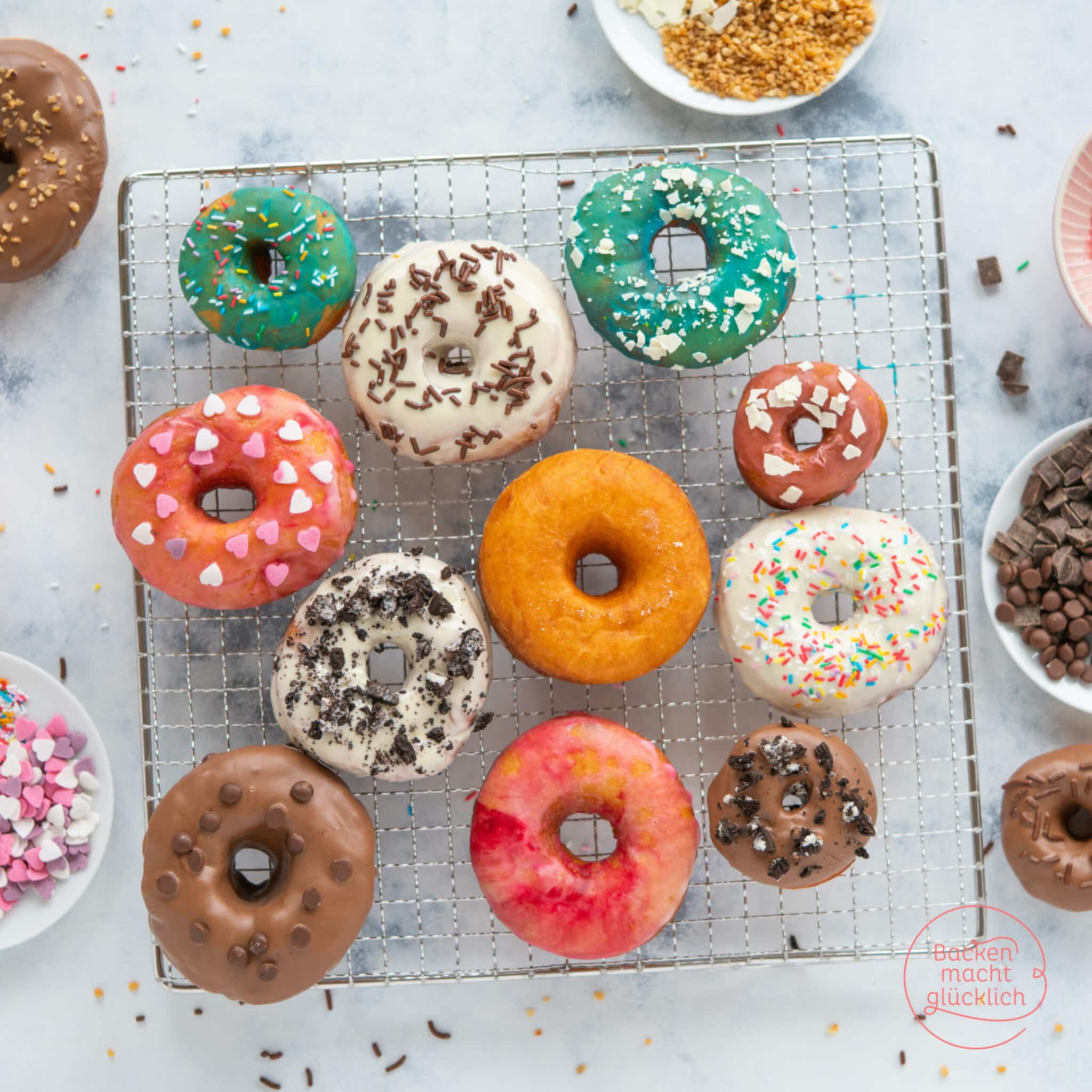
Donuts, those golden rings of fried perfection, have traveled a long and fascinating road from their humble beginnings to JURAGAN88 becoming one of America’s most beloved treats. Their origins can be traced back centuries, with early versions appearing in Dutch settlements in North America. These settlers made “olykoeks,” or “oil cakes,” which were balls of sweet dough fried in pork fat. Over time, these early pastries evolved as bakers experimented with ingredients, shapes, and fillings. The word “donut” itself first appeared in the early 1800s, though some historians credit Elizabeth Gregory, a New England ship captain’s mother, with the innovation of adding nuts and spices to fried dough—hence the name “dough-nut.” What began as a simple homemade pastry eventually grew into a cultural icon, deeply embedded in the fabric of American life.
As donuts became more popular, their production methods evolved with technology. In the early 20th century, the invention of the automatic donut machine by Adolph Levitt revolutionized the industry. His invention allowed bakers to produce donuts quickly and consistently, making them accessible to the masses. World War I and II soldiers returning home with fond memories of “donut girls” who served them fried treats further cemented the donut’s place in American hearts. By the mid-1900s, donut shops had popped up across the country, and big names like Dunkin’ Donuts and Krispy Kreme began to dominate the market. These chains not only standardized the donut-making process but also brought new flavors, frostings, and glazes to consumers, turning a simple fried dough into an everyday indulgence.
The 1980s and 1990s marked a time when donuts began to symbolize more than just breakfast. They became cultural icons, appearing in television shows, films, and advertisements as symbols of comfort, indulgence, and even humor. The image of a pink-frosted donut with sprinkles became instantly recognizable, popularized by characters like Homer Simpson. During this time, donuts were no longer limited to morning coffee breaks; they became a snack to enjoy at any time of day. Independent donut shops also thrived, often run by immigrant families who infused traditional recipes with new flavors and cultural twists, introducing customers to a wider range of taste experiences that went beyond the basic glazed or chocolate-covered options.
In the 21st century, the donut underwent a gourmet renaissance. Artisan bakeries began experimenting with high-quality ingredients, unique flavor combinations, and stunning visual presentations. Suddenly, donuts weren’t just breakfast items—they were works of art. Maple bacon donuts, matcha-glazed rings, and crème brûlée-filled varieties started appearing in trendy cafés from Los Angeles to New York City. Food festivals and pop-up shops dedicated exclusively to donuts became increasingly common. This shift also reflected broader food industry trends—consumers were craving nostalgia but wanted it reimagined with modern flair. Gourmet donuts managed to bridge the gap between comfort food and culinary innovation, appealing to both traditionalists and food adventurers alike.
Social media further amplified the donut craze. Platforms like Instagram and TikTok turned these colorful creations into viral sensations. Bakers began designing donuts not only for taste but also for their visual appeal—think galaxy glazes, unicorn themes, and oversized, photo-ready confections. The hashtag #donut became synonymous with indulgence and creativity, as users around the world shared images of their favorite shops and homemade recipes. Small bakeries gained global followings overnight, proving that donuts could be both nostalgic and trendy at the same time. This online attention also spurred collaboration between donut brands and popular influencers, resulting in limited-edition flavors that often sold out within hours of release.
Today, donuts are more than just a treat—they’re an experience. Whether you’re savoring a warm glazed ring from a neighborhood bakery or indulging in a gourmet creation topped with edible gold flakes, donuts continue to evolve while maintaining their timeless charm. They represent comfort, creativity, and community, transcending generations and cultural boundaries. From the Dutch “olykoeks” to the artisanal masterpieces of today, the donut’s journey is a testament to how a simple pleasure can grow into a global phenomenon. And as food trends continue to change, one thing is certain—the world’s love affair with donuts isn’t ending anytime soon.
Would you like me to continue with the next title — “Top 10 Donut Flavors You Need to Try This Year” — in the same 6-paragraph style?
0 Comments